

The History of the Florentine Goldsmithing Style
A style shaped through time
The history of the Florentine Goldsmithing Style coincides with the emergence of a shared artisanal language, developed over time in Florence through the practice of workshops.
It gradually takes shape as the outcome of a long and layered journey, built through the daily work of generations of artisans and consolidated through shared customs, rules and sensibilities.
This language can be recognised in the care given to the surface, in the conscious relationship with the material and in the quality of the mark: elements that, over time, have shaped a way of conceiving jewellery as a cultural expression, a synthesis of technique, aesthetics and identity.
In Florence, goldsmithing established itself as an integral part of a context in which the arts, crafts and manufacturing were in constant dialogue. In this environment, the distinctive characteristics of a style capable of evolving were consolidated, while maintaining coherence and a strong identity over time.
The Birth of the Florentine Goldsmith Style
The Florentine Goldsmithing Style was born long before it was named.
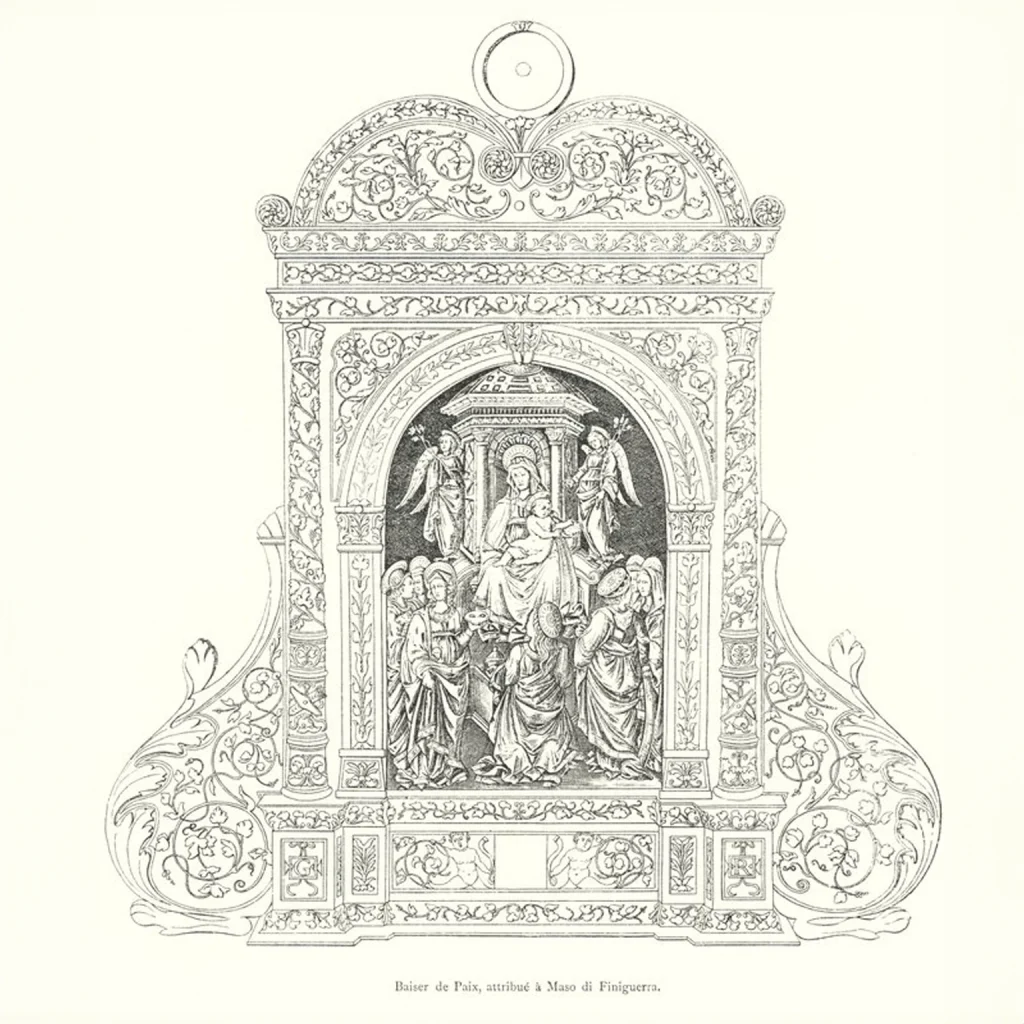
It began to take shape in Florence from the 12th century, when the city established itself as an independent centre of production, trade and the arts, and developed fully between the 14th and 15th centuries, alongside the maturation of artisan workshops and guilds.
In this context, goldsmithing is an integral part of a complex productive and cultural system, in which arts, crafts and manufacturing are in constant dialogue. Quality of workmanship, technical control and care for the surface become shared values, recognised and passed down through generations.
The style is built through the daily practice of workshops, through repeated gesture, observation, direct learning and the transmission of knowledge. It is through this process that a common language is defined, recognisable in the precision of the mark, the balance of proportions and the centrality of the worked surface.
Over time, this language is consolidated and refined, entering into dialogue with the other productive excellences of the territory. In particular, the dialogue with textile art — the economic and cultural heart of medieval and Renaissance Florence — helps to form a shared decorative imagination, made up of patterns, rhythms and ornamental motifs that also find expression in precious metal.
What we now define as the Florentine Goldsmithing Style is therefore the result of a historical continuity: a way of conceiving jewellery as an object in which technique, material and visual language are coherently integrated. A style that has spanned the centuries, adapting to different contexts while firmly maintaining its own identity.
Today, through a process of awareness and recognition, this history finds a complete and shared narrative: the Consortium project gives name, form and safeguarding to a style rooted in time, recognising its identity and historical value.
A style born from technique
While the historical context defines the origin of the Florentine Goldsmithing Style, it is technique that makes it fully recognisable. From its earliest expressions, the style is founded on a rigorous approach to metalworking, in which control of the mark, proportions and surface takes on structural and compositional value.
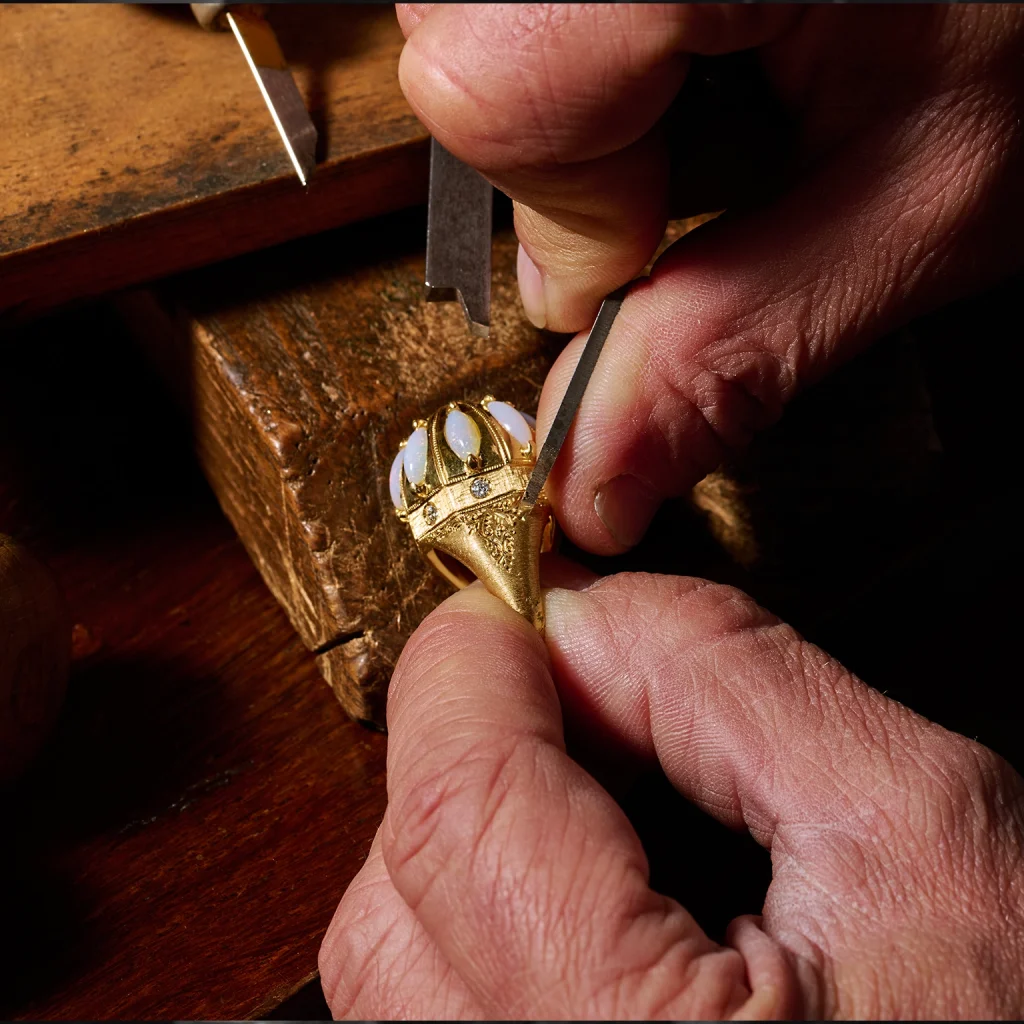
Technique governs the creative and production process, determining the quality of the final result. Engraving, chasing and manual processes become expressive tools through which the material is shaped, animated and made capable of interacting with light.
In this conscious relationship between gesture and material, the style takes shape, consolidating coherence, identity and recognisability over time.
Knowledge passed on through practice
The Florentine Goldsmithing Style has been consolidated through knowledge passed on in practice, rooted in direct experience and in the continuity of workshop work. Its strength lies in a living tradition, founded on practical and direct learning and on the constant exercise of the craft.
In workshops, the craft is learned by observing, repeating and refining the gesture, under the guidance of those with experience and knowledge.
This system of transmission has ensured continuity between generations, allowing the style to evolve while maintaining identity and coherence. The relationship between master and apprentice represents a cultural as well as a training space: here, technical rigour, sensitivity and attention to detail become a shared heritage.
In this way, the style remains vital, rooted in gesture, time and the continuity of tradition.
The surface as language
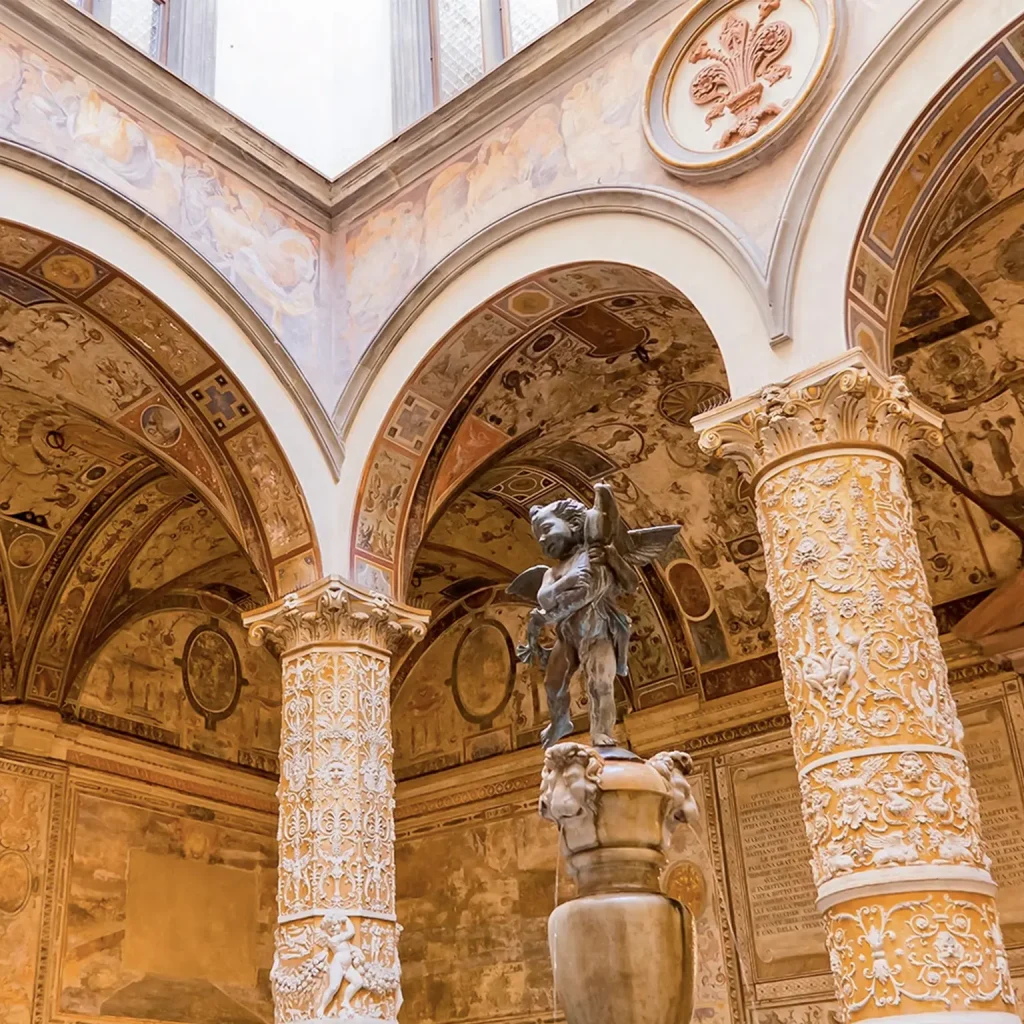
Over time, the Florentine Goldsmithing Style developed a recognisable visual language, founded on the centrality of the surface, which becomes the space where technique, material and mark come together, giving form to a coherent expressive system.
This language arises from the dialogue between workshops, applied arts and manufacturing, in a context in which the quality of artisanal work takes on cultural value.
Patterns, rhythms and ornamental motifs are translated into worked surfaces capable of organising solids and voids, reliefs and depth, light and shadow.
È questa dimensione condivisa che rende lo stile comprensibile, tramandabile e riconoscibile nel tempo.
Tecnica e identità dello stile
Over the centuries, the techniques have adapted to change without losing coherence, preserving the principles that define the style.
Precision of the mark, control of the surface and quality of execution remain constant elements, independent of eras and fashions.
It is this continuity that allows the style to span time, preserving a strong identity and continuing to express cultural as well as artisanal value.
The duty to protect
A style so recognisable, built over time through technique, knowledge and a shared language, carries with it a responsibility.
Protecting it means preventing it from being dispersed, simplified or emptied of its meaning, while preserving the values that make it unique.
The safeguarding of the Florentine Goldsmithing Style makes it possible to guarantee its quality, coherence and integrity, so that this heritage continues to be recognised, passed on and enhanced.
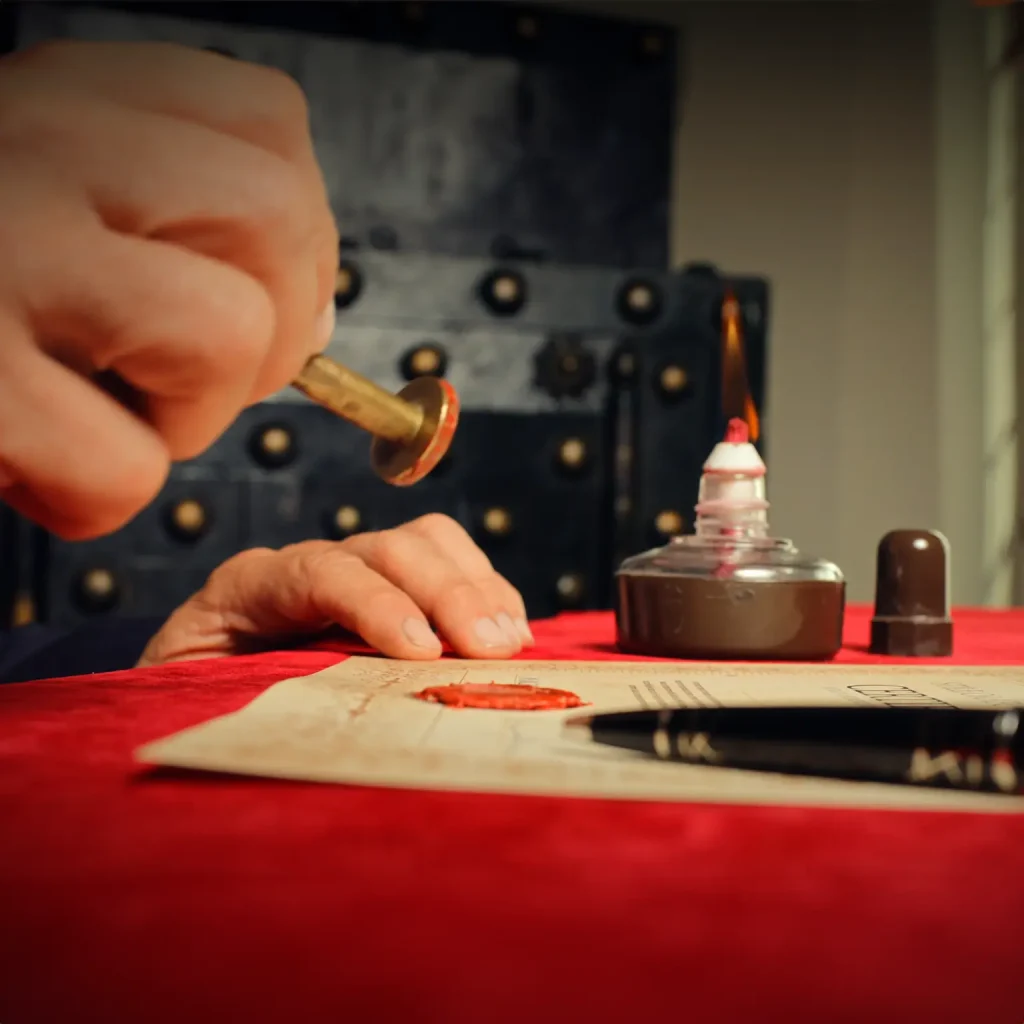
It is from this awareness that the Consortium of the Florentine Goldsmithing Style was born: as the collective expression of a historically existing style, now finally recognised and safeguarded. An organisation that takes responsibility for protecting the style, representing it and guaranteeing its integrity, preventing dispersal, improper appropriation or simplification.
From style to jewellery
The Florentine Goldsmithing Style takes shape in history, but finds its fullest expression in jewellery.
It is in the worked material, the engraved surface and the balance of proportions that this language becomes tangible and recognisable.
Discover how the principles, techniques and values described on this page are translated into jewellery crafted according to the Florentine Goldsmithing Style.
How to Recognise a Jewel in the Florentine Goldsmith Style
Understanding the techniques is the first step.
The next step is knowing how to recognise an authentic piece of jewellery, through its marks, guarantees and safeguarding tools.
The territory of origin
The Florentine Goldsmith Style originates from a Deep connection to the territory, con la città di Firenze e con il contesto culturale e produttivo che lo ha reso possibile.
The territory è l’ambiente in cui tecniche, materiali e visione artigianale hanno trovato continuità.